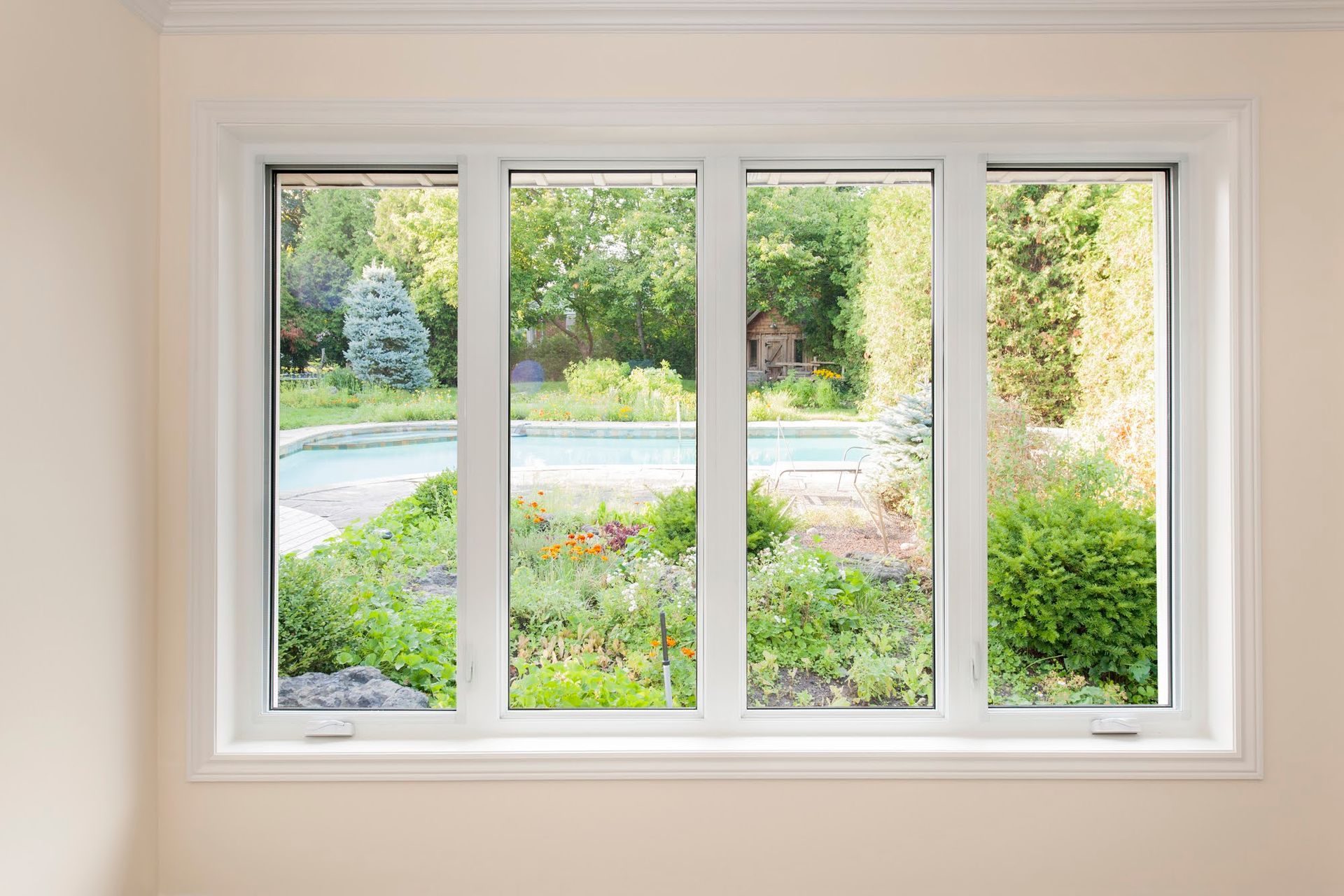

Window Features That Matter for Different Homes
Choosing new windows involves more than finding a style that looks good from the outside. Every feature affects how the window performs and how well the finished installation suits the home. A choice that works beautifully in one room might not offer the same value somewhere else.
Understanding these differences helps homeowners make decisions with a clear purpose instead of choosing based only on appearance. Window size, operation, glass, framing, and other details all deserve attention before making a final selection. Keep reading to see why these eight features matter and what to consider when choosing windows for different parts of your home.
Window Size
Window size plays an important role in determining how a room feels, as it affects both the amount of natural light and the view to the outdoors. A larger window makes a space feel brighter and more open, while a smaller window may be more appropriate when privacy or wall space is a priority. However, size should not be considered on its own. The window should also relate well to the proportions of the room, so it feels like a natural part of the overall design.
Its size and position should work with the surrounding furniture and other features of the room. For example, a window that is too small may leave a large room feeling darker than expected, while one that is too large may overwhelm the space or limit how the wall can be used.
Considering these elements together makes it easier to choose a window that brings in the right amount of light while maintaining a comfortable and balanced interior.
Window Operation
How a window operates is another feature worth considering, especially in rooms where it will be opened and closed regularly. Sliding windows move horizontally and take up little space around the opening, while casement windows open outward and provide a different approach to ventilation. The right operating style depends on how the room is used and how much space is available around the window.
That surrounding space becomes especially important when furniture, counters, or fixtures are nearby. A window beside a kitchen counter, for example, should be easy to open without interfering with food preparation or movement through the area. The same applies in bedrooms and other rooms where the placement of furniture can affect access.
Thinking about how the windows will be used each day also helps determine which features matter most. Handles and locks should be easy to reach, while the moving parts should feel smooth and straightforward to operate. Considering these details before choosing a window helps ensure its design works naturally with the way the room is used.
Energy-Efficient Glass
Glass also plays a major role in window selection because it affects indoor comfort throughout the year. Different glass options respond differently to outdoor temperatures and sunlight, so the right choice depends partly on where the window sits within the home. A window exposed to strong afternoon sunlight might have different needs from one that receives shade for most of the day.
Energy performance also matters for homeowners who want greater control over indoor temperatures. Choosing suitable glass helps limit unwanted heat transfer and supports a more comfortable interior. A window contractor helps explain the differences between available glass options and how they relate to the home's layout.
Sound Control
Outside noise deserves attention before choosing windows because glass and window construction affect how much sound reaches the interior. A home beside a busy road or commercial area may need different window features from a property surrounded by quieter outdoor spaces. Ignoring the surrounding noise level could lead to windows that look right but do not provide the indoor environment the homeowner expected.
Considering sound during selection becomes especially important in rooms where quiet surroundings matter. A bedroom might need a different approach from a living room, while a home office might benefit from additional noise reduction during working hours. Looking at the environment around each window helps homeowners make a more informed choice.
Privacy Features
Privacy is also important because windows create a direct connection between indoor spaces and the outside world. A large clear window might suit a private backyard, yet the same setup could feel uncomfortable when it faces a sidewalk or a neighboring home. Considering the view from outside helps determine how much visibility the room should allow.
Glass treatments provide another factor to consider during selection. Frosted or textured glass reduces direct views while still allowing natural light into the room. Higher window placement also provides another way to improve privacy without making the room feel closed in.
The goal is not simply to block the outside view. Good window selection creates the right balance between daylight and personal comfort based on the room's location.
Frame Material
Frame material matters because it affects more than the window's appearance. The frame supports the glass and influences the amount of maintenance required over time. Choosing a material without considering these factors might create extra upkeep or leave the finished window looking out of place.
The home's architectural style provides useful guidance when comparing frame options. A traditional property might call for a different visual approach from a modern home with clean, simple lines. The frame should feel like part of the existing design rather than an unrelated addition.
Maintenance deserves equal attention during the decision. Homeowners should consider how the frame will hold up in the home's environment and how much upkeep they want to handle throughout the years. A practical frame choice supports the window's appearance while fitting the homeowner's long-term expectations.
Safety and Security Features
Window selection also involves thinking about how each opening protects the people inside the home. Ground-level windows deserve particular attention because they sit closer to outdoor access points. Strong locks and dependable hardware add an important layer of security, making these details worth reviewing before choosing a specific window.
Safety is another factor to keep in mind, particularly in children’s rooms and other areas that see frequent use. The window’s opening style and hardware should suit the needs of everyone in the household while remaining practical to operate. Taking these details into account during selection can make the window easier to use while providing added peace of mind.
Style and Architectural Fit
Style becomes important when homeowners want new windows to look like a natural part of the property rather than an addition that stands apart. Window shapes and design details influence how the exterior looks, while the same window also affects the character of the room from inside. Choosing a style that works with the home's existing architecture creates a more consistent result.
The architectural character of the property provides a useful starting point. Traditional homes often benefit from window designs that reflect their established appearance, while contemporary properties may suit simpler profiles. Matching the window to the home's design helps protect its visual character instead of forcing a style that feels disconnected.
Consistency also plays an important role when replacing several windows. A thoughtful selection creates a more unified appearance across the property and helps individual windows work together rather than competing for attention.
Choose Window Features That Match Your Home
Every window feature plays a role in determining whether a particular option suits the home. Size affects how the window fits the room, while operation influences everyday convenience. Glass selection affects comfort, while other details shape privacy, security, maintenance, and appearance. Looking at each feature in relation to the room makes the selection process more practical.
FIVE STAR HOME IMPROVEMENT helps homeowners evaluate window options with these practical considerations in mind. So if you're planning to upgrade your window, contact our team to discuss your project and find window features that suit your home's layout and style.
Frequently Asked Questions