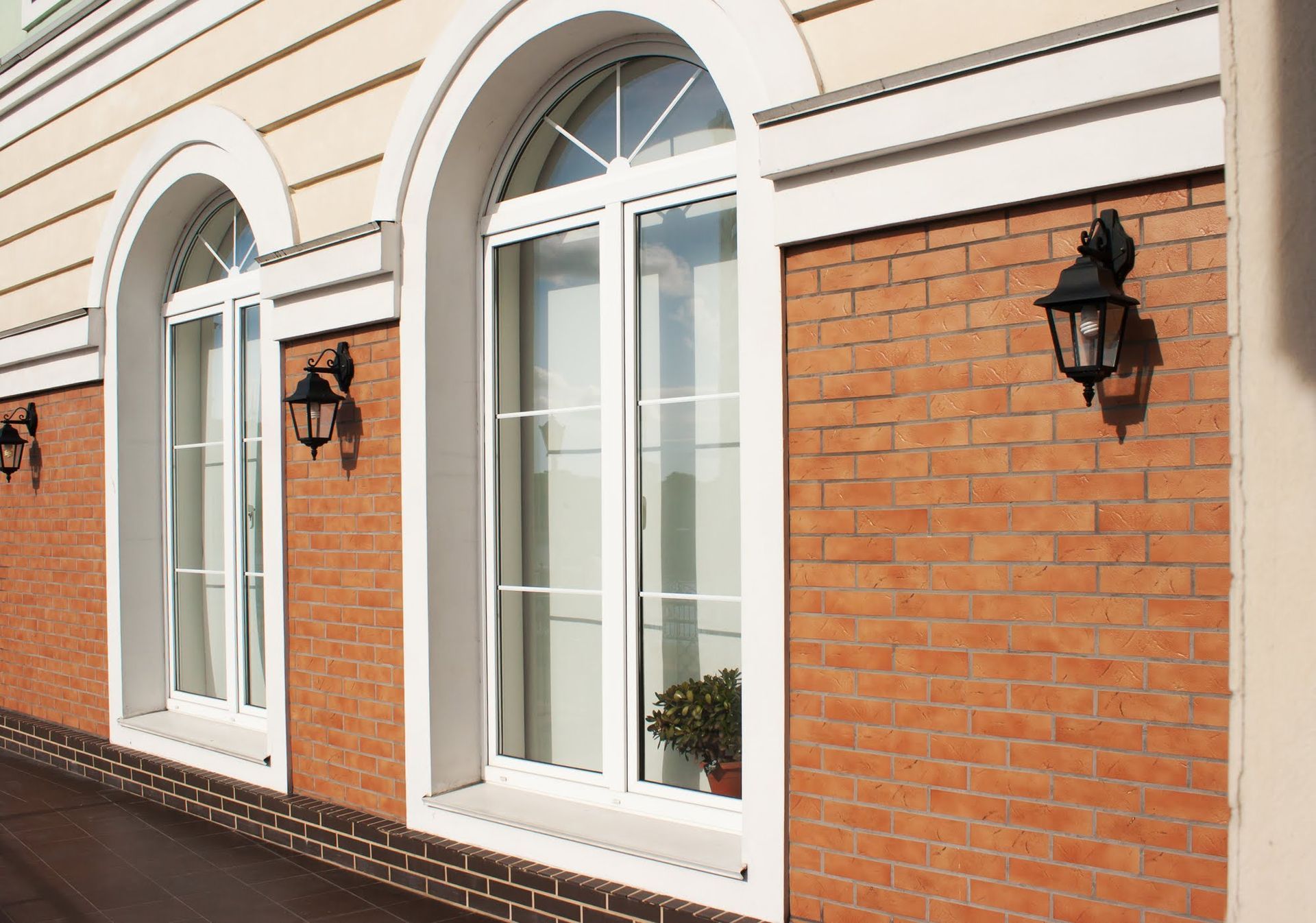

5 Signs It’s Time to Replace Your Home’s Original Windows
Windows are among the most important components of your home's exterior envelope. They contribute to your property’s curb appeal, bring natural light into interior spaces, and protect against extreme weather and temperature swings. However, like any major building material, windows eventually reach the end of their operational lifespan.
Over time, daily thermal expansion and natural house settling cause window components to deteriorate. Operating outdated or failing windows compromises your home's energy efficiency. Identifying early warning signs allows you to schedule a professional window installation before minor structural issues escalate into expensive water damage or soaring monthly energy bills.
1. Uncomfortable Drafts and Temperature Fluctuations
If walking past a window during a hot summer afternoon or a chilly winter evening produces a sudden drop or rise in temperature, your window seals have failed.
Older single-pane windows and aging double-pane units may become less effective at insulating your home when weatherstripping degrades and frame materials warp. When warm air escapes during winter or heat enters during summer, your HVAC system may need to work harder to maintain a consistent indoor temperature. Experiencing persistent drafts despite closing and locking your sashes may indicate air leaks around the window frame. Depending on the condition of the window, repairs or replacement may help improve indoor comfort.
2. Unexplained Spikes in Monthly Energy Bills
Your heating and cooling system accounts for a significant portion of your home’s monthly utility expenses. When window efficiency degrades, your HVAC system works significantly harder to compensate for thermal transfer, causing energy consumption to surge.
Modern replacement windows feature high-performance Low-E (low-emissivity) glass coatings, argon or krypton insulating gas fills, and multi-chambered vinyl or composite frames designed to block solar heat gain and retain conditioned air. Replacing original, inefficient windows with ENERGY STAR® certified units insulates your home effectively, stabilizing indoor temperatures and leading to noticeable reductions in monthly energy bills year-round.
3. Foggy Glass Panes and Condensation Between Panes
Condensation on the outside or inside surface of a glass pane is normal when humidity levels shift. However, if you notice moisture, fog, or mineral streaks trapped between two glass panes, the factory seal surrounding the insulated glass unit (IGU) may have failed.
Double- and triple-pane windows rely on a tight hermetic seal to keep insulating gas contained between the panes. Once this seal ruptures:
- The insulating gas escapes and is replaced by humid atmospheric air.
- Moisture condenses inside the glass chamber, creating a permanent, cloudy film that cannot be wiped clean.
- The window loses its thermal insulation capabilities entirely.
While some attempt quick glass repairs, replacing the entire window unit via a professional window installation is the only permanent solution to restore clarity and energy performance.
4. Difficulty Operating Your Windows
Windows should open, slide, and close smoothly with minimal physical effort. If operating your original windows requires force, or if sashes slam shut unexpectedly, internal mechanical components have degraded.
Sash jams and sticking usually stem from several underlying issues:
- Frame Warping: Wooden frames swell and rot from moisture absorption, while low-grade vinyl frames can bow after years of direct sun exposure.
- Hardware Failure: Internal balance springs and hinges rust or snap over time.
- Structural Settling: As your home settles, window openings can shift slightly, pinching older frames out of square.
Beyond daily inconvenience, stubborn windows pose a major safety hazard, particularly during emergencies when windows serve as secondary escape routes.
5. Soft, Decaying Frames and Water Damage
Inspecting the wood framing around your window sills and exterior trim often reveals hidden structural damage. Soft, spongy wood, peeling paint, visible mold growth, or water stains near the base of the frame point to long-term moisture intrusion.
When water penetrates decaying wood frames, it eventually seeps into the surrounding wall cavities, damaging studs, drywall, and insulation. Ignoring rot leads to costly structural repairs down the road. Upgrading to durable, weather-resistant materials—such as high-grade vinyl, composite, or aluminum-clad frames—ensures long-term protection against rain, humidity, and rot.
Upgrade Your Home Comfort with Professional Installation
Recognizing these five warning signs helps you determine when your windows may need professional attention. Partnering with experienced professionals for your window installation helps support proper measurements and sealing during installation. New windows may also improve your home's appearance and indoor comfort.
Contact our team to learn more.
Frequently Asked Questions